Specialized English-Spanish Translation for Animal Welfare, Ethology & Canine Behaviour
Helping your message reach Spanish-speaking audiences with clarity and precision
Are you an organisation, brand, educator or content creator working in the field of animal welfare?
I help you expand your reach through clear, culturally adapted and emotionally aligned communication in Spanish.
With a degree in Translation and Interpreting and hands-on experience as a Canine Behaviour Educator, I offer a unique combination of linguistic skill and deep understanding of the subject matter.
Services I offer
-
Translation & Transcreation
- Content on ethology, dog training, pet care and emotional wellbeing
- EN > ES and FR > ES language pairs
-
Subtitling & Video Adaptation
- Reels, YouTube videos, webinars and online courses
- Subtitles and voiceover-ready scripts
-
Content Creation for Spanish-Speaking Audiences
- Captions, blog posts, educational copy and social media content
- Tone and style adapted to your values and your audience
-
Localization of Educational Materials
-Blog posts, guides, eBooks ,online platforms
-Consistent language aligned with science-based education

Who am I?
My name is Sofía Agudelo, and I’m a translator, educator and dog lover based in Madrid.
I hold a Bachelor’s Degree in Translation and Interpreting (EN > ES, FR > ES), and I’ve also worked for years as an English teacher and content creator.
But what truly sets me apart is my hands-on experience as a Canine Behaviour Educator. I found my way into this world when I adopted my dog and realised he needed help overcoming his fears. Supporting him through that journey changed the way I see behaviour, relationships — and communication. I work with families and their dogs, helping them build relationships based on trust, respect and understanding.
This background allows me to deeply understand the emotional and technical aspects of the content I translate — whether it’s a course on canine neuroscience, a blog post on communication or behaviour, or a video about enrichment and welfare.
I bring that same sensitivity and clarity to my translation work, ensuring your message stays true to your voice while resonating with Spanish-speaking audiences.
Why work with me?
I understand the language and the message — I’m also a professional canine educator.
I translate with empathy, accuracy and attention to tone.
I work closely with educators and creators to ensure your content feels natural in Spanish.
I believe in ethical, science-based communication that builds trust and connection
Portfolio Samples
Sample 1:
Specialized Translation: Ethology Excerpt from Dog Knows
FIGHTS AND AGGRESSION
Violence and aggression are somewhat different. Violence could be defined as a harmful social interaction, undertaken with the intention of inflicting harm or unpleasantness on another individual or individuals, or in retaliation, when provoked. Aggression, on the other hand, is an imitation of violence undertaken to prevent the situation from escalating to one of actual violence. It includes a lot of posturing, meant to scare away the perceived threat.
VIOLENCIA Y AGRESIVIDAD
Las conductas violentas y la agresividad no son exactamente lo mismo. Una conducta violenta tiene la intención de infligir daño o malestar a otro individuo, ya sea como ataque o como respuesta a una provocación. La agresividad, en cambio, imita una conducta violenta para evitar que la situación escale a una agresión real. Se manifiesta mediante señales y posturas corporales para ahuyentar a lo que se percibe como una amenaza.
Note: This translation required a deep understanding of ethology terms and careful adaptation to preserve the author’s meaning and tone.
Sample 2:
Scientific Translation: Neuroscience of Fear
How the brain responds to fear
When an animal perceives a threat, the brain activates a network that includes the amygdala, hypothalamus, and brainstem. The amygdala acts like an alarm system, detecting danger and triggering a rapid emotional response—often before the animal is fully aware of what’s happening. The hypothalamus then prepares the body for action by releasing stress hormones, such as cortisol and adrenaline, which increase heart rate and blood flow to muscles. This is commonly known as the “fight, flight, or freeze” response. Although this system is designed to protect the animal, repeated or prolonged activation can lead to chronic stress and behaviour problems.
Cómo responde el cerebro ante el miedo
Cuando un animal percibe una amenaza, se activa una red de estructuras cerebrales que abarca la amígdala, el hipotálamo y el tronco encefálico. La amígdala actúa como un sistema de alarma: detecta el peligro y desencadena una respuesta emocional inmediata, incluso antes de que el animal sea plenamente consciente de lo que está ocurriendo. A continuación, el hipotálamo prepara al cuerpo para la acción mediante la liberación de las hormonas del estrés, como el cortisol y la adrenalina, que aumentan la frecuencia cardíaca y el flujo sanguíneo hacia los músculos. Esto se conoce como respuesta de “lucha, huida o inmovilización”. Aunque este sistema está diseñado para proteger al animal, su activación repetida o prolongada puede derivar en estrés crónico y problemas de comportamiento.
Sample 3:
Transcreation : Instagram Post
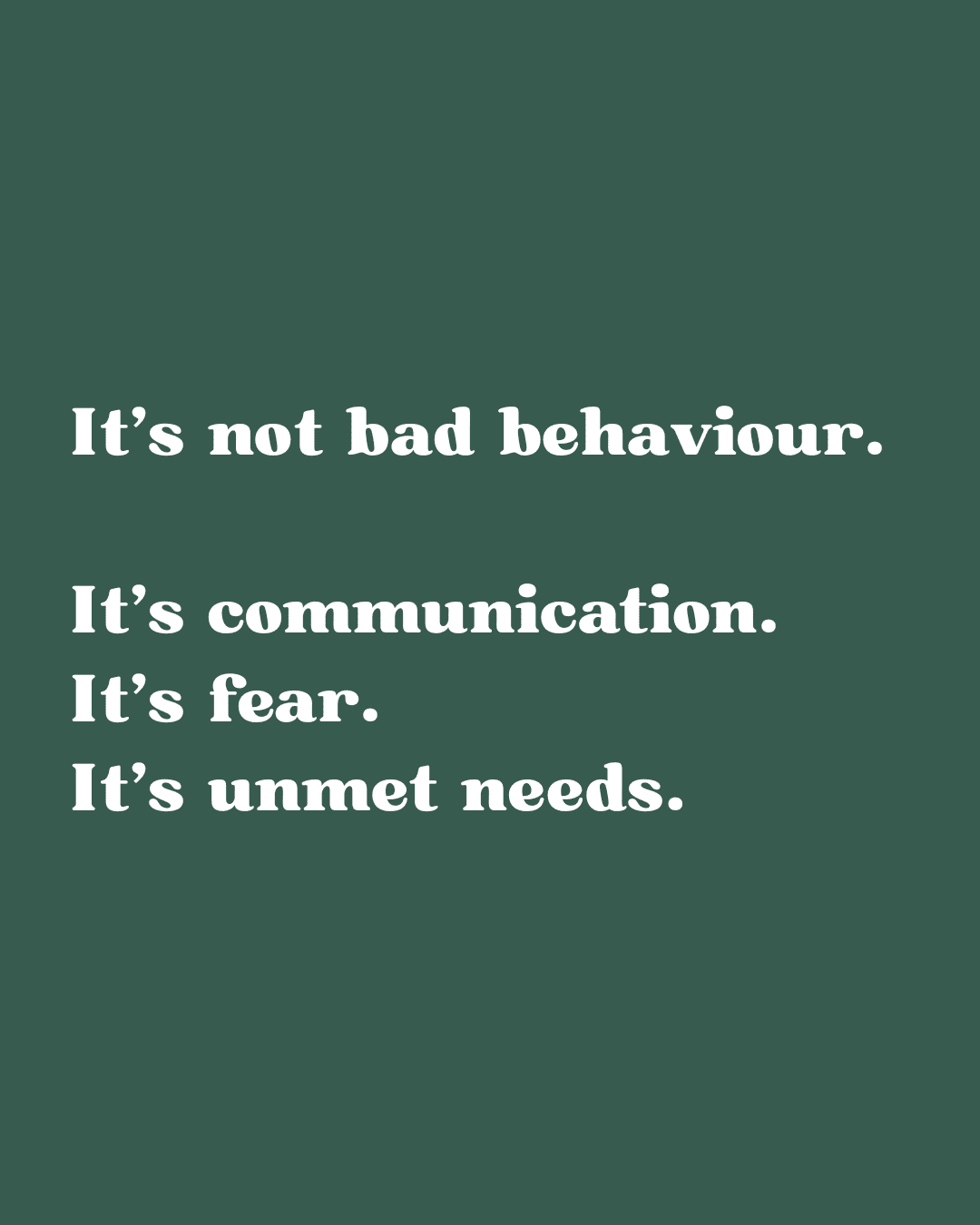
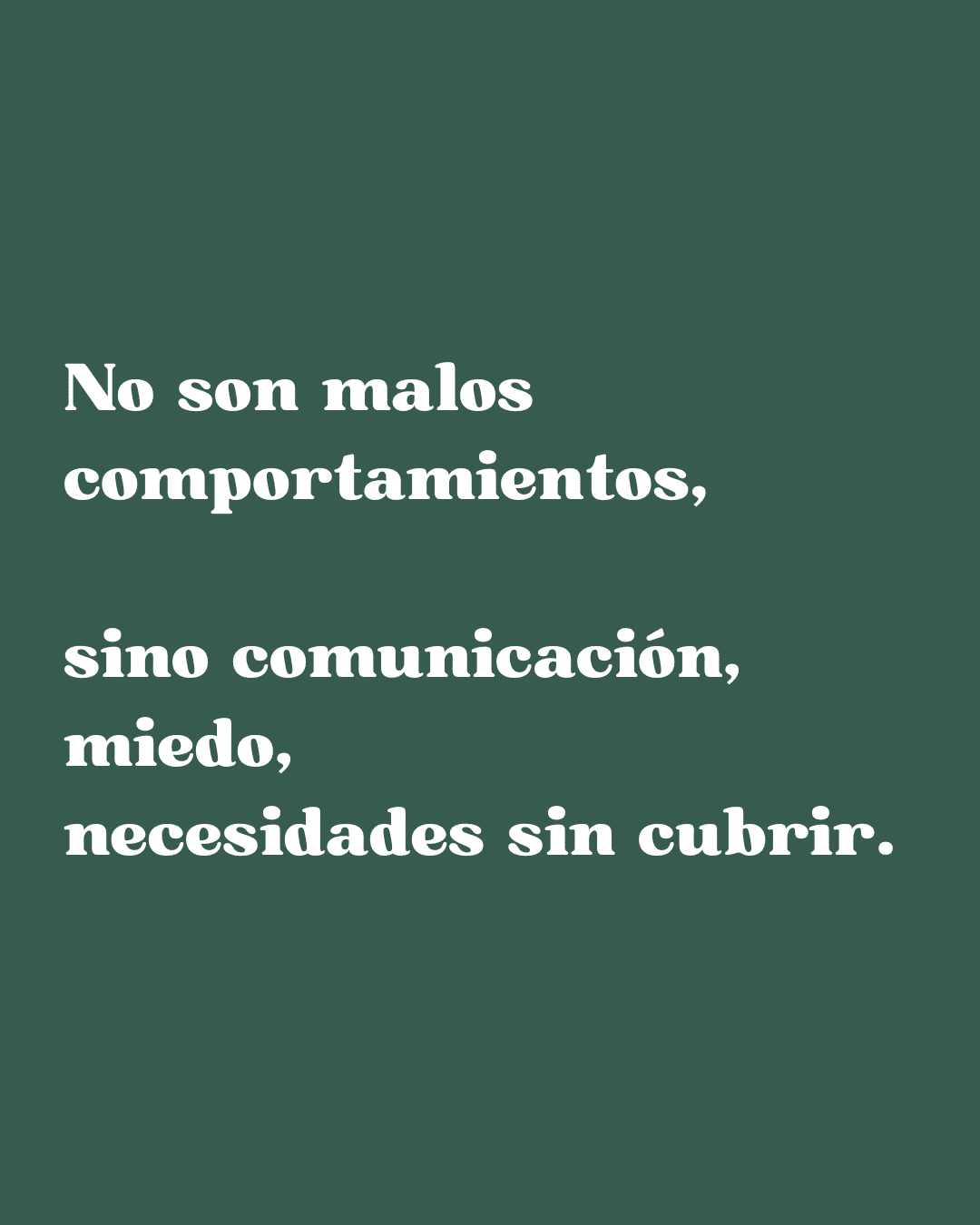
Note: The Spanish version was adapted to maintain both the emotional impact and the visual rhythm and layout required for a post.
A quick overview of my background and experience.
Ready to collaborate?
Contact me at sofia@traduciendoperross.com or use the form below.
Quotes available upon request.
Let’s make your content accessible, accurate and full of heart — in every language.
© Sofía Agudelo · Specialized Translation for Animal Welfare & Ethology
📍 Based in Madrid · Working worldwide 🌍
✉️ sofia@traduciendoperross.com